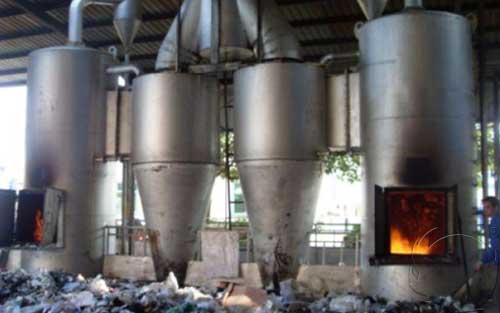
The GE coal-water slurry gasifier uses SA387 Grade 11 ClasS2 steel for its shell (including the combustion chamber and quench chamber) and forgings. After normalizing and tempering refining and vacuum degassing, it exhibits excellent high-temperature strength, oxidation resistance, and sulfide corrosion resistance below 500℃. The core equipment—the gasifier combustion chamber—is divided into three parts:
- The upper part is the dome, constructed (from the inside out) with high-Chrome bricks, chrome corundum castable, and fiber-coated material (compressible material). The high-chromium bricks in the dome are designed for a service life of 15,000 hours.
- The middle part is the cylinder, constructed (from the inside out) with high-chrome bricks, chrome corundum bricks, insulating bricks, and fiber-coated material (compressible material). The high-chromium bricks in the cylinder are designed for a service life of 12,000 hours.
- The lower part is the conical bottom and slag opening, constructed (from the inside out) with high-chrome bricks and chrome corundum castable. The designed service life of high-chromium bricks with cone bottoms is generally 6500 hours, while that of high-chromium bricks with slag openings is generally 4000 hours.
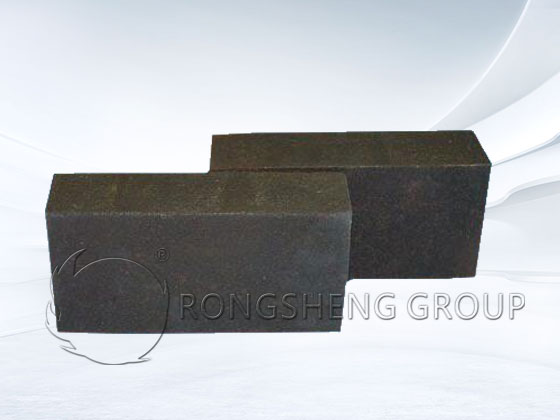
Gasifier Combustion Chamber Lining Materials
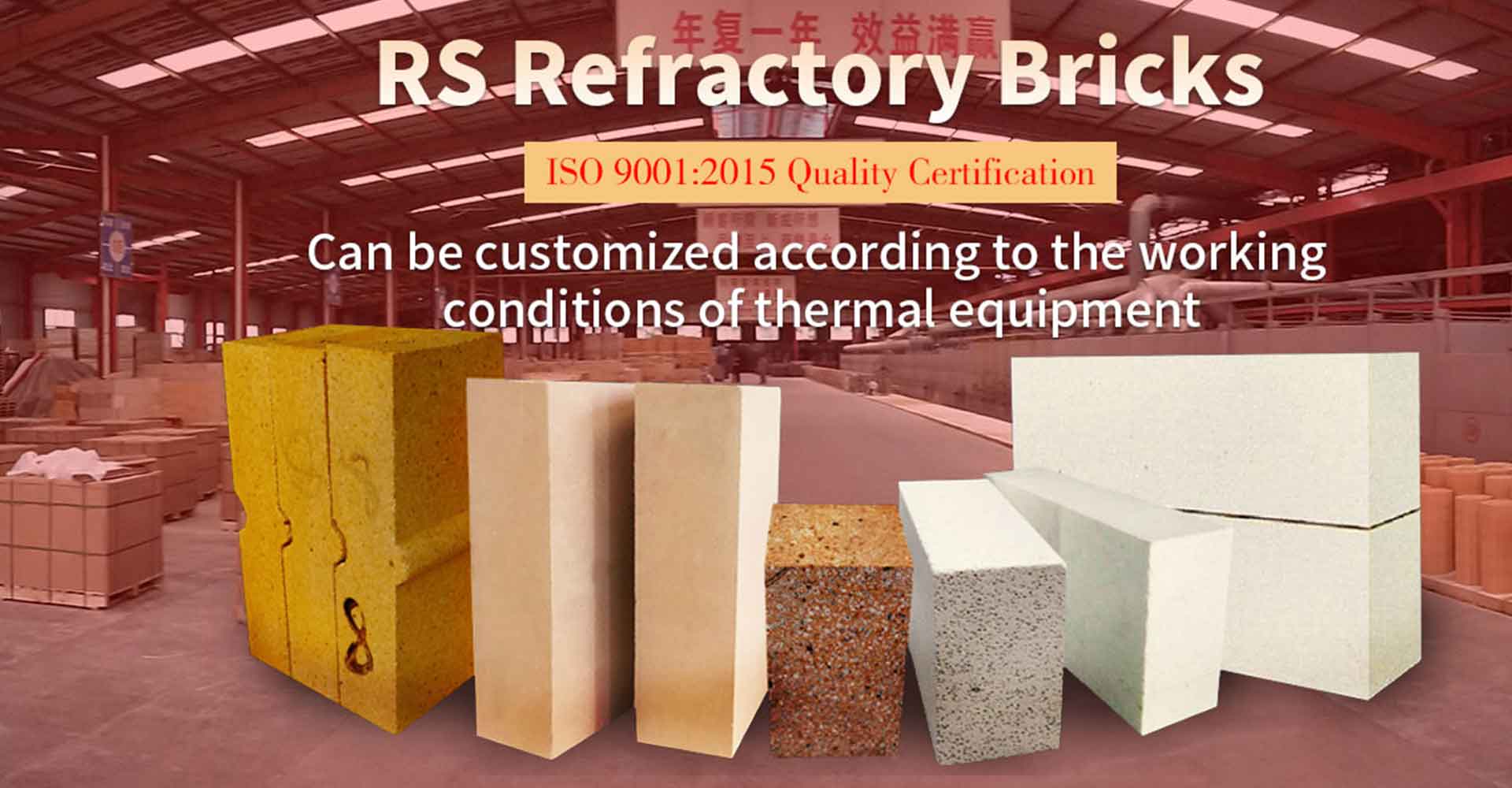
The gasifier combustion chamber is lined with four layers of refractory material: high-chrome bricks, chrome corundum bricks, insulating bricks, and fiber-coated material (compressible material). Their functions are as follows:
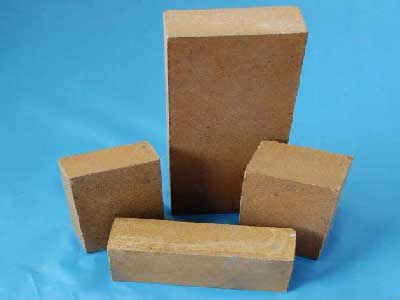
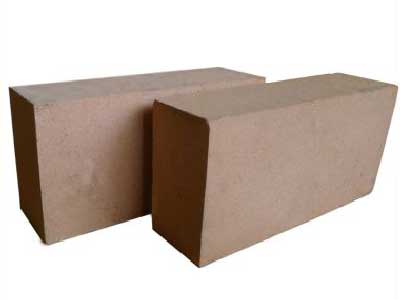
- The high-chrome bricks use Cr90 bricks (Cr2O3), which are high-density, high-chromium bricks that protect the insulating refractory material from slag corrosion, hydrogen erosion, and flame damage.
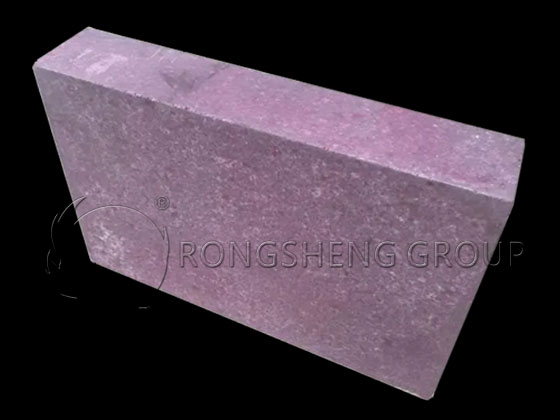
- The gasifier support lining layer is made of high-density, low-chrome, high-alumina material (Cr2O3 and Al2O3), i.e., chrome corundum bricks. Its main function is to support the dome bricks, significantly reducing the weight of the gasifier.
- The insulating bricks (thermal insulation layer) are alumina hollow spherical bricks (low iron content), which effectively reduce the temperature of the metal shell and improve its resistance to CO corrosion.
- The fiber-coated material (compressible material) is an insulating material made of crushed refractory fibers (some designs also use 25mm thick ceramic fiber blankets). It can be compressed when the refractory bricks expand due to heating, providing thermal insulation protection for the shell.
Analysis of the Causes of Corrosion and Wear of High-Chrome Bricks in Gasifiers
High-Temperature Erosion
The operating temperature of a coal-water slurry gasifier is determined by the ash melting point and viscosity-temperature characteristics of the coal ash. The main reactions of the coal-water slurry in the gasifier are cracking and oxidation. Under normal operating conditions, the operating temperature is controlled at approximately 1350℃. The operating temperature has a significant impact on the service life of high-chrome bricks. The higher the gasifier operating temperature, the lower the viscosity of the ash and the better its fluidity, resulting in more severe erosion and penetration of the high-chromium bricks, a higher erosion rate, and a shorter service life. For example, in a coal chemical plant’s coal-water slurry gasification unit, under normal operating conditions, the oxygen-to-coal ratio of the gasifier is controlled at 480~500 m³/m³, and the methane content in the crude syngas at the gasifier outlet is (1500~1800)×10⁻⁶. Due to the unstable quality of the raw coal, with an ash content as high as 16.6% and an ash melting point of 1480℃, slag blockage occurred simultaneously in five operating gasifiers. To maintain normal slag discharge, the gasifier operating temperature was controlled at a high level, and the oxygen-to-coal ratio was controlled at 520~540 m3/m3. The methane content in the crude syngas at the gasifier outlet was (100~200)×10-6, and this abnormal operating condition lasted for 35 days. Due to severe slag port blockage, gasifiers #2, #3, and #4 were ultimately forced to shut down. During the overhaul of the gasifier, it was found that the high-chrome bricks in the gasifier were severely eroded and permeated, and the high-chromium bricks at the slag port had to be replaced in less than 2000 hours. Due to the difficulty of replacing the high-chrome bricks, it was impossible to operate all five gasifiers. For a period of 15 days, only four gasifiers could operate, and there was no backup gasifier. A comparison of key process parameters under normal and abnormal operating conditions of a coal chemical plant’s gasification unit reveals that the high-temperature operation of the gasifier, caused by unstable raw coal quality, significantly impacts the service life of the refractory bricks. Within 35 days of operation at a gasifier temperature 100°C above normal, the erosion rate of high-chromium bricks increases significantly, reducing the refractory material’s service life by 2000-5000 hours.
Chemical Erosion Under High Pressure
The coal-water slurry gasifier combustion chamber undergoes cracking and oxidation reactions at an operating pressure of 6.15 MPa, producing crude syngas primarily composed of H2 and CO. The high-chrome bricks, the refractory material within the combustion chamber, are enveloped by these two strongly reducing gases. Since any refractory material inherently contains micro-gaps and pores, these become channels for the gas to enter the bricks. The gas penetrates the refractory material and reacts with oxides such as SiO2 and Fe2O3 in the high-chromium bricks, damaging the brick’s structure and strength, thus affecting its service life. Therefore, the requirements for the quality of refractory bricklaying in coal-water slurry gasifiers are extremely stringent. If the refractory bricklaying quality is substandard, it is very likely to be damaged in a short period of time, greatly affecting the service life of the refractory bricks and endangering the safe and stable operation of the gasifier.
The scouring effect of ash and gas flow
During operation, the coal-water slurry gasifier continuously generates high-temperature gas and molten ash. These two media fill the gasifier and flow downwards at a certain velocity, causing severe scouring and wear on the refractory material—high-chrome bricks—resulting in erosive damage.
Frequent start-up and shutdown of the gasifier
A coal chemical plant operates its coal-water slurry gasifier in a five-on, two-backup mode, with a coal feed rate of 1500 t/d per gasifier. Since commissioning, the average service life of each process burner has been less than 30 days, requiring over 60 burner replacements annually. This frequent start-up and shutdown severely impacts the service life of the gasifier’s refractory material—high-chrome bricks. The service life of the high-chromium bricks in the cylinder is only 10,000 hours, the cone bottom only 4,500 hours, and the slag opening only 2,500 hours, all failing to meet design requirements. To address this issue, the coal chemical company established a process burner task force in March 2022. After implementing corresponding measures, the average service life of each process burner exceeded 65 days, and the annual burner replacement frequency decreased to approximately 26 times. The reduced start-up and shutdown frequency significantly extended the service life of the gasifier refractory material—high-chrome bricks. The service life of the high-chromium bricks met or even exceeded design requirements, with the high-chrome bricks in boiler #5 reaching a service life of 15,647 hours. This demonstrates that the number of gasifier start-ups and shutdowns has a significant impact on the service life of the gasifier refractory materials. Statistics show that for every doubling of the number of start-up and feeding operations, the erosion rate of the gasifier refractory materials doubles.
High Gasifier Load
High-load operation of the gasifier results in large coal slurry and oxygen flows into the gasifier, inevitably leading to a large amount of slag. This accelerates the erosion and burning of the high-Chrome bricks, significantly impacting their service life.