Zirconia is a high-performance advanced material characterized by a high melting point, high hardness, high toughness, superior wear resistance, and corrosion resistance; it is among the high-performance materials whose development is explicitly encouraged by national industrial policy.
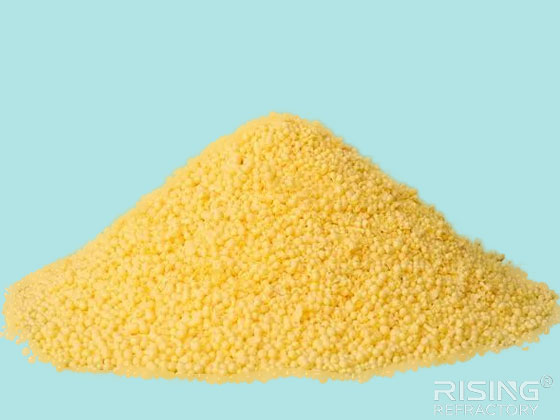
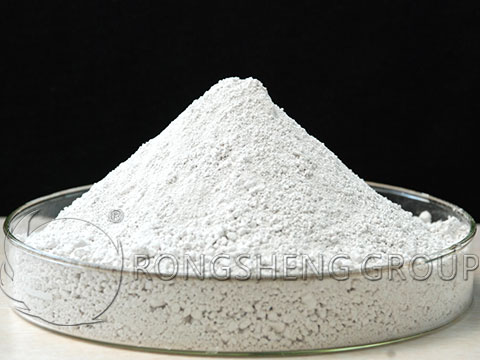
Monoclinic Zirconia
The monoclinic zirconia product series includes grades for ceramic pigments, refractories, high-purity applications, and specialized uses. These products are widely employed in high-end refractories, ceramic pigments, abrasives, glass, advanced ceramics, and nuclear-grade zirconium materials. They serve as raw materials for products such as zirconia-corundum bricks, fused-cast zirconia bricks, zirconia-corundum abrasives, zirconia-mullite, high-performance ceramic components, metering nozzles, zirconium-based pigments, specialized zirconium products, and metallic zirconium (nuclear-grade).
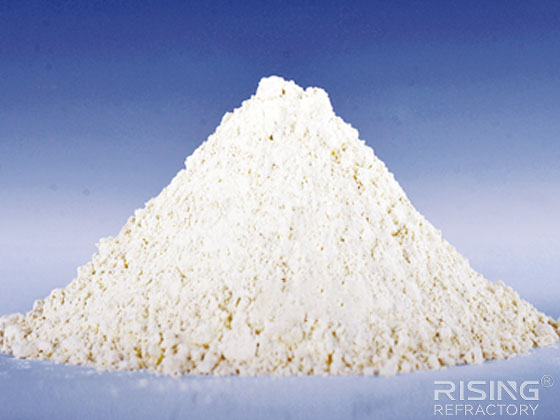
Applications of Monoclinic Zirconia
Zirconia-Corundum Bricks
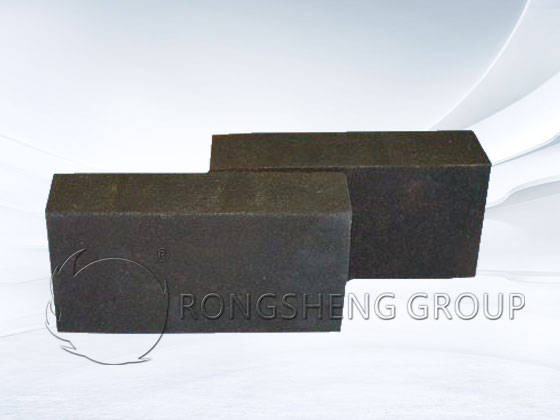
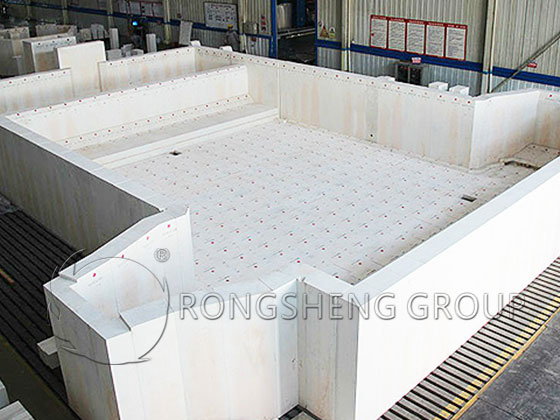
Zirconia-corundum bricks are primarily used in glass-melting furnaces. Fused-cast high-zirconia bricks contain between 90% and 95% zirconia and can withstand temperatures exceeding 2000°C. Designed for specialized ultra-high-temperature glass furnaces, they significantly reduce defects such as knots, bubbles, and stones during the glass manufacturing process. The resulting glass substrates are used to produce components like LCD panels for televisions and smartphones.
Ceramic Pigments and Glazes
Zirconia is primarily used to produce pigments such as praseodymium-zirconium yellow, vanadium-zirconium blue, vanadium-zirconium yellow, and iron-zirconium red. These zirconium-based pigments cover nearly the entire color spectrum, with the exception of black.
Zirconia-Corundum Abrasives
Zirconia-corundum is characterized by excellent thermal stability, high toughness, superior self-sharpening properties, and strong resistance to erosion by molten materials. As a high-grade abrasive, it is used to manufacture high-performance, heavy-duty grinding wheels, which are highly effective for grinding steel, cast iron, heat-resistant steel, and various alloys.
Automotive Brake Pads
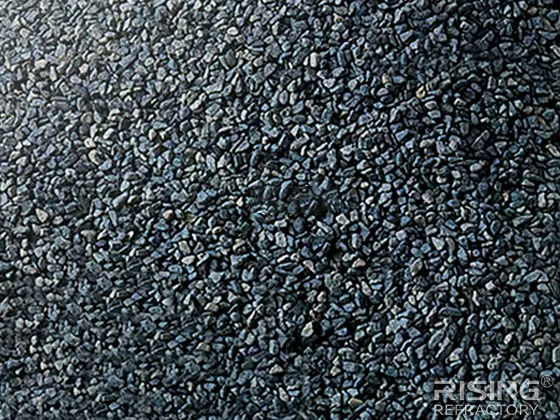
Ceramic brake pads containing zirconia offer both environmental and performance advantages over traditional brake pads. Given the stringent safety standards and environmental regulations for automotive brake pads in regions like Europe and North America, zirconia is widely incorporated into these components to enhance frictional performance and durability, while also reducing the emission of harmful substances such as lead.
Zirconium Sponge
Zirconium sponge—also known as metallic zirconium—is a silver-gray metal characterized by high hardness, high strength, high elasticity, excellent net-shape forming capabilities, corrosion resistance, non-magnetic properties, and high precision. It represents a third-generation revolutionary material, following steel and plastics. As a vital strategic raw material, zirconium sponge is used to produce metallic zirconium and its alloys, which are widely applied across various sectors of the national economy and national defense. It holds particular significance in fields such as metallurgy and chemical engineering, the nuclear industry, the production of zirconium-based amorphous alloys (liquid metals), and the development of advanced ceramics.
Stabilized Zirconia
Stabilized zirconia products include calcium-stabilized, yttrium-stabilized, magnesium-stabilized, aluminum-stabilized, and composite-stabilized zirconia. These materials are widely used in industries such as steel, glass, ceramics, non-ferrous metals, electronics, and aerospace. They are utilized to manufacture metering nozzles, the “three major components” for continuous casting, spray nozzles, ceramic filter meshes, crucibles, high-temperature kiln furniture, furnace lining refractories, setter plates for electronic ceramics, and oxygen sensors.
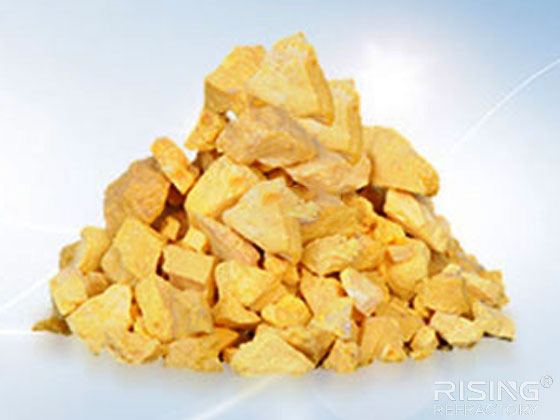
Applications of Stabilized Zirconia
“Three Major Components” for Continuous Casting
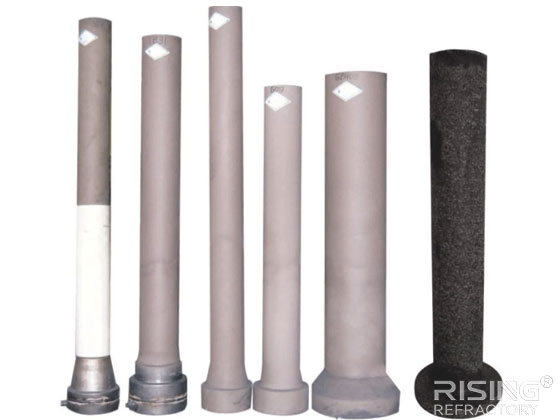
Functional refractory components—including monolithic stopper rods, long nozzles (ladle shrouds), submerged entry nozzles (tundish nozzles), and tundish metering nozzles—are collectively referred to as the “three major components” for continuous casting.
These components are essential, critical materials required to enable and ensure the smooth operation of continuous casting in steel mills. They provide a vital foundation for high-efficiency and near-net-shape continuous casting, facilitating the production of high-quality, high-value-added “clean steel.”
Metering Nozzles
Metering nozzles are a type of refractory material used in the continuous casting of small-section billets; they serve to regulate the flow rate of molten steel. Ensuring that molten steel flows into the mold at a steady, uniform rate is a prerequisite for the continuous casting process.
Setter Plates for Electronic Ceramics
High-performance setter plates for electronic ceramics are advanced refractory products manufactured from electro-fused, high-purity stabilized zirconia using specialized formulations and high-temperature sintering. They exhibit excellent chemical stability at high temperatures, as well as superior resistance to high-temperature corrosion. These plates can withstand erosion from various molten metal and non-metal oxides; they possess high mechanical strength and exceptional thermal shock resistance. Furthermore, they do not react chemically with or adhere to the ceramic components being fired, which ensures the stability and consistency of the electronic ceramic products and increases the yield of qualified finished goods.
These plates are widely used in the production of electronic components, such as ceramic capacitors, sensing elements, magnetic materials, and chip inductors.
Zirconia Crucibles
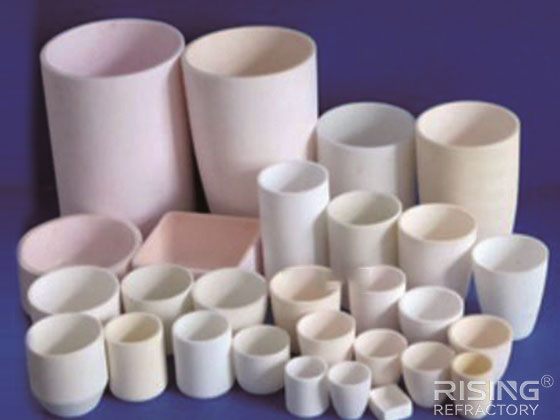
Zirconia crucibles are primarily composed of partially stabilized zirconia. As highly refractory products, they are capable of withstanding temperatures of up to 1,800°C. Typically used for melting precious metals, nickel, and similar materials, they offer excellent resistance to high-temperature corrosion.
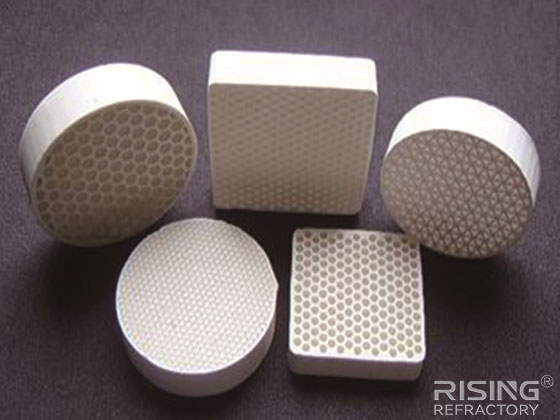
Zirconia Ceramic Foam Filters
Made from stable industrial-grade zirconia ceramics, these ceramic foam filters are used for filtering high-temperature alloys and molten steel during continuous casting. They provide superior purification, effectively removing non-metallic inclusions.